Obesity Follow-Up Program for Private Clinics in Egypt: Turning Weight Management into Continuous Care
An obesity follow-up program for an Egyptian private clinic treats weight as a chronic condition: a structured first assessment, scheduled reviews, tracking of related conditions such as diabetes and hypertension, and a defined path for patients who have bariatric surgery. Without follow-up, a one-off consultation or procedure ends at the clinic door.
Key takeaways
- A 2021 Frontiers in Public Health study estimated adult obesity in Egypt at 39.82% (49.49% of women and 29.51% of men), using data from the 2019 100 Million Health survey that the authors cite as unpublished.
- The same study uses national survey figures of 29.5% for hypertension and 15.16% for diabetes, so a weight programme should track related conditions rather than weight alone.
- A 2019 World Obesity stakeholder report card said support for people living with obesity in Egypt is limited outside the private system unless obesity is severe, which makes private clinics central and raises the bar for quality.
- Clinical protocols, medicines and surgical follow-up belong to the treating team; the clinic system tracks schedules, records and communication.
On this page
Why obesity needs follow-up, not a package
Many clinics sell weight management as a package: an assessment, a plan and a few visits. Obesity is a long-term condition, and the visits after the first few months are where patients drift away. A follow-up programme gives the clinic a reason and a method to stay in touch, and gives the patient a visible schedule. It is also a safer commercial model than selling short-term results, because it does not rely on promises about weight outcomes.
What the data says about Egypt
- Prevalence: Bassiouny and colleagues (Frontiers in Public Health, 2021) estimated adult obesity (BMI of 30 or above) at 39.82%, with 49.49% among women and 29.51% among men, drawing on the 2019 100 Million Health survey, which they describe as unpublished data obtained through personal communication.
- Related conditions: the same study cites 29.5% for hypertension and 15.16% for diabetes in adults, from the national STEPwise survey and global burden estimates.
- Access: a 2019 World Obesity report card for Egypt records stakeholder feedback that there is little support for individuals living with obesity unless severe, and that many struggle to find support outside the private healthcare system.
- Public clinics: an Akhbar El Yom interview reported that the Ministry of Health and Population assigned 120 specialised obesity clinics in primary care units across governorates after obesity was classified as a disease.
- Rankings: published global rankings for Egypt differ between sources, so we do not cite a rank.
The five-part program
1. A structured first assessment
The doctor defines the assessment. A useful record holds the patient's measurements as taken by the clinic, medical history, current medicines, related conditions, previous attempts and the goals the patient and doctor agree. Keep it in structured fields so progress can be compared between visits.
2. A review rhythm the doctor sets
Agree the visit interval at the first appointment, and let the system create due dates and an overdue list. Many programmes involve a doctor, dietitian, psychologist or physiotherapist; which of them a patient sees is the clinic's clinical decision, but the schedule across them should be visible in one place.
3. Track related conditions alongside weight
Link the obesity register to your diabetes and hypertension follow-up lists so a patient does not sit on three separate recall lists. See our guides to diabetes follow-up programs and hypertension follow-up programs for private clinics. A due test for a related condition can sit on the same reminder as the weight review.
4. Follow-up after medicines or surgery
For patients on medicines or who have had bariatric surgery, the treating surgeon or physician sets the follow-up protocol. The clinic's role is to record the protocol, create the due dates, remind the patient and flag missed visits to the team. Do not use messages to give dosing or dietary instructions.
5. Respectful communication and retention
Weight is a sensitive subject. Keep reminders neutral: date, time, clinic name. Do not put weights, results or goals in WhatsApp messages. Avoid language that blames. Offer Arabic content that the doctor has approved. See our guides to WhatsApp reminders and to patient retention for private clinics.
Ethical and regulatory notes
Clinics should operate under valid licences, avoid unrealistic promises in marketing, and be transparent about what each service includes. Advertising and licensing rules for medical services should be confirmed with the Ministry of Health and Population and the relevant syndicate. Patient records, including weights and photos, are health data under Egypt's Personal Data Protection Law (Law 151 of 2020): obtain consent, restrict access by role and store photos only where policy allows. See our guide to patient data privacy under Law 151.
A worked scenario: a two-branch clinic in Cairo and Alexandria
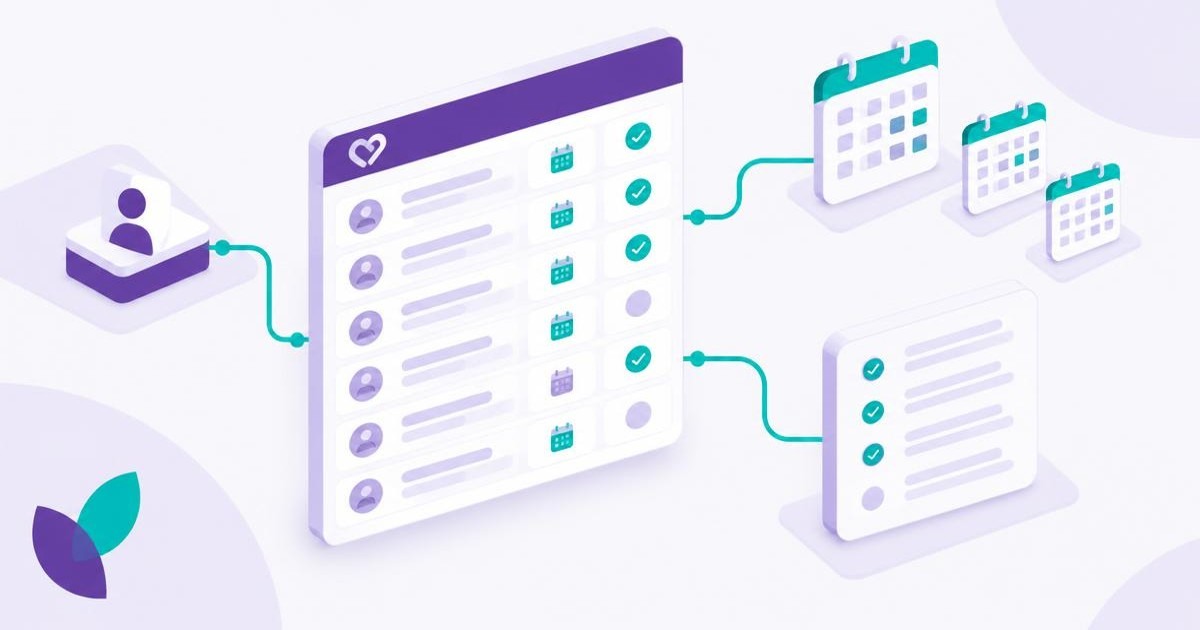
A clinic group registers all patients in its weight programme in one list. Each patient has a doctor-set review interval, and reception sends a neutral Arabic reminder two weeks before the visit. Patients with diabetes or hypertension also appear on the relevant follow-up list, so the nurse can book their tests alongside the weight review. Patients who have had surgery with the group's surgeon have the surgeon's schedule loaded as due dates. Each month the clinical lead sees overdue patients, patients missing a planned test and patients who have not visited in the last interval. This is an illustration of the workflow, not CareSync customer data.
The business case, carefully
Programmes with a predictable visit schedule give a clinic steadier demand and let the owner plan staffing and room use. See our guide to chronic disease management revenue models for how clinics think about recurring follow-up. Do not publish revenue or outcome claims without your own data.
What to measure
- Share of registered patients attending the review their doctor scheduled
- Retention at the review points your clinic defines (for example three, six and twelve months)
- Share of patients with an assessment and a documented plan
- Share of patients with related-condition tests recorded and not overdue
- Reminder response rate
Avoid weight-loss claims in reports until clinicians have reviewed the data.
Where CareSync Clinic fits
CareSync Clinic is designed for clinics and clinic groups that need one patient record, scheduled recalls, Arabic patient messaging and branch-level reporting. For an obesity programme, that means the register, review due dates, linked chronic-condition lists and neutral reminders described above. For wider patient communication, see our guide to patient engagement software in Egypt.
Frequently asked questions
What is an obesity follow-up program for a private clinic?
A structured service that registers patients, sets scheduled reviews with the doctor, tracks related conditions, follows up after medicines or surgery, and reminds patients before each visit.
How common is obesity in Egypt?
A 2021 Frontiers in Public Health study estimated adult obesity at 39.82%, using 2019 100 Million Health survey data that the authors describe as unpublished. Check for newer published figures.
Does Egypt have public obesity clinics?
An Akhbar El Yom interview reported that the Ministry of Health and Population assigned 120 specialised obesity clinics in primary care units. Confirm current services with the ministry.
What follow-up do patients need after bariatric surgery?
It is set by the treating surgeon or physician. The clinic system records the protocol, creates due dates and reminds the patient.
Can a clinic remind patients about weight visits on WhatsApp?
Yes, with consent and neutral content: date, time and clinic name, without weights, results or diet advice. Follow Law 151 of 2020.
Sources
- Bassiouny E et al., "The Burden of Obesity in Egypt", Frontiers in Public Health 2021; 9:718978
- World Obesity Federation, Egypt obesity health system report card (2019)
- Akhbar El Yom, "بيزنس التخسيس القاتل" (interview with Dr Khaled Gawdat)