Diabetes Follow-Up Program for Private Clinics in Egypt: From a Single Visit to a Review Cycle
A practical diabetes follow-up program for private clinics in Egypt: patient registry, recall rules, review checklist and a monthly overdue list.
Key takeaways
- In Egypt the larger gap is often after diagnosis: keeping patients in regular review, not finding them. Published data on glycaemic control in private clinics shows how far many patients are from target.
- Build five parts: a registry, physician-set review intervals, recall, a review checklist and a monthly overdue review.
- Keep clinical decisions with the physician. Software should hold the schedule, the reminder and the record, not set targets.
- Start with operational measures (overdue patients, recalls answered, reviews completed). Treat glycaemic control rates as a clinical measure that needs careful definition and expert review.
On this page
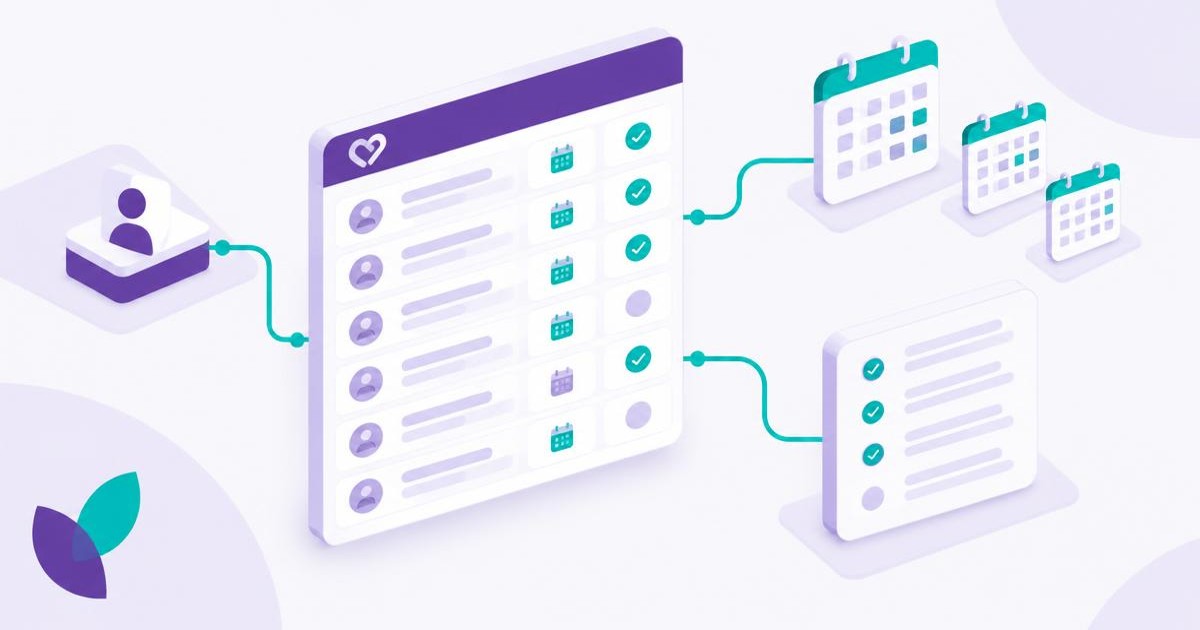
Short answer: A diabetes follow-up program for a private clinic in Egypt has five parts: a registry of diabetic patients, a physician-set review interval for each patient, a recall that fires before that interval lapses, a checklist for every review, and a monthly list of overdue patients. The software carries the schedule and the reminders. The physician sets the clinical rules.
Why follow-up is the gap
Egypt has one of the largest diabetes populations in the region. The International Diabetes Federation's country report estimates about 13.2 million adults aged 20 to 79 with diabetes in 2024, an age-standardised prevalence of 22.4%, and about 62% of them undiagnosed (IDF Diabetes Atlas, Egypt). Those are modelled estimates drawing on national surveys, so read them as a scale indicator, not a clinic-level forecast.
The picture inside private clinics is less clear but not reassuring. The DIACONTROL study recruited 2,516 patients with type 2 diabetes across 244 private clinics in Egypt over May and June 2017 and reported that only 18.4% had reached an HbA1c of 7% or below (DIACONTROL, published online December 2023). The data is several years old, was a single snapshot, and an individual patient's target is set by their physician, so 7% is a study threshold and not a rule for any one patient. Still, it points to a practical question every clinic owner can ask: of the diabetic patients we see, how many are in regular review, and how many came once and never returned?
The five parts of a clinic program
1. A registry. Start with a simple list of every patient with a diabetes diagnosis, with phone number, preferred channel, last visit date, last HbA1c date and the review interval set by their physician. A spreadsheet works to begin with. It breaks when two doctors or two branches add patients.
2. Physician-set review intervals. Each patient needs a next-review date based on their physician's plan, not a clinic-wide default. The software should make the date visible and editable by the physician. Clinical intervals and targets must come from your medical lead's protocol .
3. Recall before the date lapses. Send a reminder in advance by the channel the patient prefers: WhatsApp, SMS or a call from the nurse. If there is no response, a second attempt follows after a set number of days, and a third attempt goes to a person. Our article on WhatsApp appointment reminders for Egyptian clinics covers the channel mechanics.
4. A review checklist. Each review follows the same short checklist agreed by your physicians: medication list, latest results, any checks the physician requires at this visit, patient questions, and the next review date. The checklist is about not forgetting things, not about replacing clinical judgement.
5. A monthly overdue review. Once a month, the nurse lead and the clinic manager open the list of patients whose review date has passed without a visit. They decide who to call, who has moved, who has declined and who needs the physician to review the plan. This single meeting is where most of the value sits.
Who does what
- Reception: confirms contact details and preferred channel at every visit; books the next review before the patient leaves.
- Nurse: owns recall calls, handles unanswered reminders and prepares the checklist.
- Physician: sets each patient's interval and decides what a missed review means clinically.
- Clinic manager: runs the monthly overdue review and owns the numbers.
Link it to medicines and home readings where it helps
Follow-up improves when it connects to what happens between visits. Where patients measure at home, the clinic can ask for readings before a review, but the physician must define which readings and what counts as urgent. Where patients refill at a partner pharmacy, a refill gap can be a useful signal to the nurse. See how digital patient adherence programmes and pharmacy and clinic integration work for chronic disease, and how remote patient monitoring fits. The same recall logic applies to our hypertension follow-up program, so a clinic can run both from one registry.
An illustrative scenario
This is a planning scenario, not a customer case. A two-branch private clinic in Cairo has about 300 patients with diabetes on its books but no single list. Each doctor remembers their own patients, and the reception team books follow-ups only when the patient asks.
The clinic builds a registry in a month, with each physician entering a next-review date for their patients. A WhatsApp reminder goes out ahead of each date, with a call from the nurse for anyone who does not reply. In the first monthly review, the clinic manager finds a group of patients whose review dates passed months earlier. The nurse calls them, some book, some have moved, and a few need the physician to revise the plan. The clinic did not need a new clinical protocol. It needed a list, a date and an owner.
Measures worth reporting
Report operational measures first:
- Patients in the registry with a next-review date set.
- Patients overdue for review, and the median days overdue.
- Share of recalls answered within a set number of days.
- Share of reviews completed against reviews due.
- Share of reviews with the checklist completed.
Glycaemic control rates are a clinical measure. If you report them, define the numerator and denominator, and have your medical lead review how you interpret them . Do not promise clinical improvement from reminders alone.
Privacy and consent
A diabetes registry holds health data. Limit access by role, record patient consent for reminders and keep message content minimal. Review your obligations under Egypt's personal data protection law with your own legal adviser ; our article on patient data privacy under Law 151 for clinics gives a starting point.
Where CareSync Clinic fits
CareSync Clinic is designed for single and multi-site clinics, bringing booking, patient records, reminders and follow-up into one place in Arabic and English. The exact registry, recall and reporting capabilities available in your configuration should be confirmed in a scoped demonstration . For the wider picture, read our guide to chronic disease management programs for Egyptian clinics.
FAQ
What is a diabetes follow-up program for a clinic?
It is a structured way to keep diabetic patients in regular review: a registry, a review interval set by each physician, reminders before the date lapses, a checklist for each review and a monthly list of overdue patients.
How do private clinics in Egypt follow up diabetic patients?
Many rely on the patient to return. A program replaces that with a list, a next-review date for each patient and reminders by WhatsApp, SMS or a nurse's call, with overdue patients reviewed monthly.
How often should a diabetic patient be reviewed?
That is a clinical decision for each patient's physician and depends on the individual. Your clinic's medical lead should set the protocol; software only records and reminds.
Can WhatsApp reminders improve diabetes follow-up?
They can make recall faster and cheaper than phone calls alone, but the effect on clinical outcomes needs measurement and clinical review. Record consent and keep messages free of sensitive detail.
What should a clinic measure in a diabetes follow-up program?
Start with patients overdue for review, recalls answered, reviews completed against reviews due and checklist completion. Treat glycaemic control rates as a clinical measure that needs careful definition.
Want to see a diabetes recall and review workflow for your clinic?
Book a CareSync Clinic demo