Beyond the Annual Medical Checkup: Why Egyptian Corporate Health Programs Need Omnichannel Patient Engagement
Connect annual checkups, onsite care and digital follow-up into a continuous employee health journey, with privacy-conscious reporting.
Key takeaways
- Connect annual checkups, onsite care and digital follow-up into a continuous employee health journey, with privacy-conscious reporting.
- Deployment scope, clinical protocols, privacy responsibilities and integrations should be agreed with the care team.
On this page
Egypt's corporate health sector operates on an anachronism. Most mid-to-large Egyptian companies provide employees with some combination of an annual medical checkup, an onsite nurse or clinic, a health insurance policy, and perhaps a wellness subsidy — all of which represent real investment, but operate in almost complete disconnection from each other.
The annual checkup produces a report that an HR department files and rarely acts on. The onsite nurse handles acute presentations with no connection to the employee's insurance or specialist care. The insurance card is used reactively — when something is already wrong. And the wellness subsidy is typically a gym membership benefit that half of employees never use.
The result: a corporate health investment that is simultaneously substantial and structurally ineffective — generating cost, generating data, and generating almost no early intervention that prevents the more expensive health events it is designed to avoid.
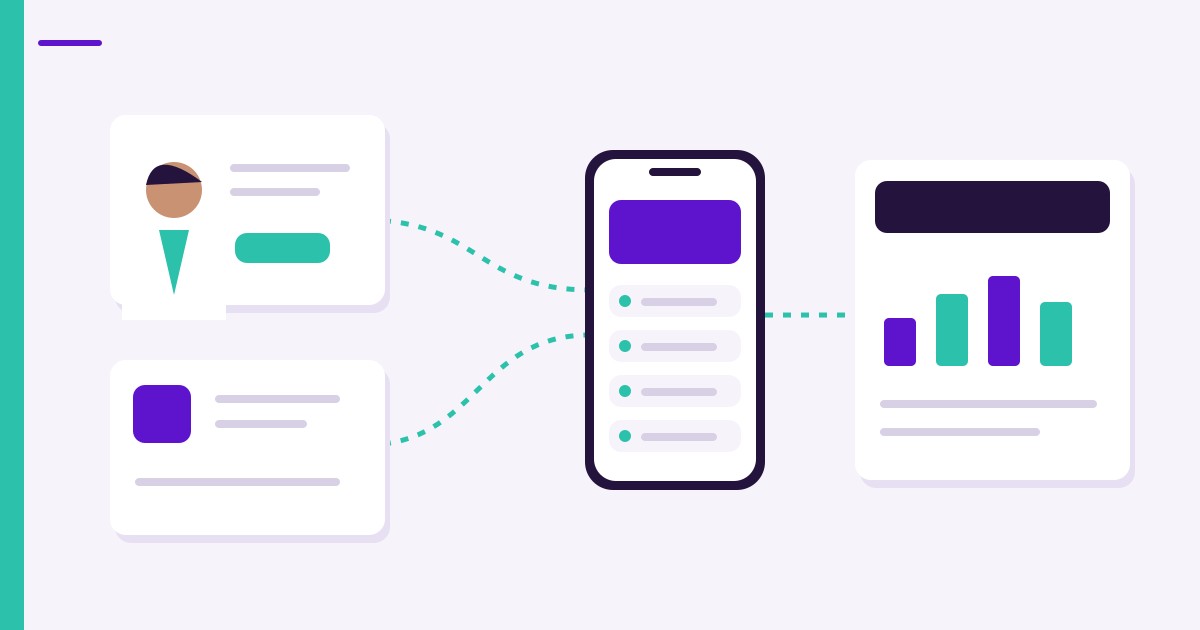
Omnichannel corporate health platforms change this model. They connect the annual checkup, the onsite care interaction, the employee's digital health behavior, and the specialist care pathway into a single, continuous engagement architecture — surfacing risk before it escalates and delivering the right intervention through the right channel at the right moment.
The Business Case: Why Egypt's Corporate Health ROI Is Negative in Most Companies
HR directors across Egypt's private sector face the same conversation with finance every year: health benefits cost is rising, absenteeism from chronic disease is growing, and yet ROI from existing programs is weak or nonexistent. This is a connectivity problem, not a spending problem.
Annual checkup data never reaches a decision point — an employee's elevated fasting glucose does not trigger a structured intervention. It enters a database and emerges 12 months later as a formally elevated HbA1c and a newly diabetic employee whose insurance claims will cost ten times the intervention that could have changed the trajectory.
Sick leave patterns are analyzed retrospectively rather than managed prospectively — the patterns predicting chronic disease burden are visible in HR data but almost never connected to real-time occupational health interventions.
Employee health engagement is not differentiated by individual risk profile — a 35-year-old sedentary male with elevated BMI receives the same generic health newsletter as his 28-year-old colleague with no risk factors.
What Omnichannel Means in a Corporate Health Context
In corporate health, omnichannel means a system where every interaction an employee has with their health benefits ecosystem — checkup, in-person clinical contact, digital self-service, teleconsultation, specialist referral — feeds into a single continuously updated engagement record, and triggers the next appropriate intervention automatically.
For the employee: After their annual checkup, instead of a PDF report they forget, they receive a personalized health profile through a branded app: key results explained in plain Arabic, flagged risk areas with specific recommended actions, a link to schedule a teleconsultation, and a 90-day action plan with weekly check-ins. If their screening flagged elevated blood pressure, a 30-day remote monitoring plan activates automatically.
For the HR coordinator: A single dashboard instead of separate administrative streams: aggregate health risk scores (anonymized), program utilization rates by department, chronic disease risk trends by workforce segment, and upcoming follow-up actions due.
For the occupational health physician: The annual checkup becomes the opening of a 12-month monitoring relationship — with digital touchpoints, risk flags, and teleconsultation requests from employees who previously had no structured channel between annual visits.
Three Pillars of Effective Corporate Health in Egypt
Chronic Disease Prevention as the Primary ROI Driver — Egypt has a significant and growing burden of metabolic disease in its working-age population: type 2 diabetes, hypertension, dyslipidemia, and obesity. A corporate health platform connecting annual screening risk flags to structured, personalized 90-day behavioral change programs delivered in Arabic is the most measurable ROI generator in the corporate health portfolio.
Mental Health as an Operational Necessity, Not a Wellness Benefit — Egypt's corporate workforce faces significant mental health burden driven by economic pressure, long commute times, housing cost inflation, and workload intensification. Mental health-related absenteeism is rising and structurally invisible in most companies. A platform integrating a validated Arabic mental health screening tool and confidential digital support access addresses this burden without the stigma barrier of traditional EAP models.
Integrating Health Data Across the Benefit Ecosystem — The corporate health investment Egyptian companies make is larger than most HR directors realize when aggregated. An omnichannel platform serves as the integration layer connecting checkup data, clinical interactions, insurance utilization, and sick leave patterns into a single analytics environment — allowing health directors to demonstrate, with data, what their investment is achieving.
Selecting a Corporate Health Platform for Egypt
Assess: Arabic language and local clinical content written by Egyptian medical professionals; insurance integration capability; privacy architecture (aggregate reporting to HR, never individual-level clinical data without employee consent); clinic and specialist network integration; and measurable program KPIs built in.
The Strategic Shift: From Health Benefits to Health Outcomes
The companies that will attract and retain Egypt's growing professional workforce are those demonstrating they take employee health seriously — not as a compliance exercise, but as a continuous, personalized commitment.
CareSync Egypt is built for this purpose: an omnichannel corporate and clinical health platform for Egyptian businesses connecting employees, care teams, HR coordinators, and occupational health physicians into a single continuous engagement ecosystem — in Arabic and English.
Schedule a corporate health consultation
Contact Us