Clinic Chain Expansion in Egypt: Why Digital Infrastructure Must Come Before the Second Branch
Shared patient identity, unified scheduling, central communication and consolidated reporting for Egyptian clinic groups opening new branches.
Scope note: market-expansion statements are general context and have not been source-verified here. Deployment timelines, Egyptian localisation, Arabic-language support and WhatsApp communication depend on the agreed deployment. Benefits described are potential, not measured CareSync outcomes.
Key takeaways
- Shared patient identity, unified scheduling, central communication and consolidated reporting for Egyptian clinic groups opening new branches.
- Deployment scope, clinical protocols, privacy responsibilities and integrations should be agreed with the care team.
On this page
The Egyptian private healthcare sector is in an expansion phase. Clinic groups that established a successful single-site operation in Cairo or Alexandria are actively opening second and third locations, driven by patient demand, investor interest, and the structural opportunity created by Egypt's expanding middle-class healthcare consumer base. In dermatology, internal medicine, dental, physiotherapy, and reproductive health—multi-site clinic brands are emerging as a distinctive segment of the market.
The expansion trajectory is commercially logical. A successful first clinic has demonstrated demand, built a patient base, trained a clinical team, and generated the financial performance to support investment in growth. The second location seems, from that vantage point, like a relatively straightforward replication of the first. It is not.
The operational challenges of running two or more clinic sites are qualitatively different from those of running one. Not harder in degree—different in kind. And the clinics that discover this after opening the second location, rather than before, typically face a costly period of operational remediation that could have been avoided with a different sequencing of platform investment.
What Changes at Branch Two
A single-site clinic can run on relatively simple tools: an appointment scheduling system, a patient record store that may be partially or fully paper-based, a billing and receipting process, and a WhatsApp group or phone line for patient communications. These tools work because all the people who need information are in the same building.
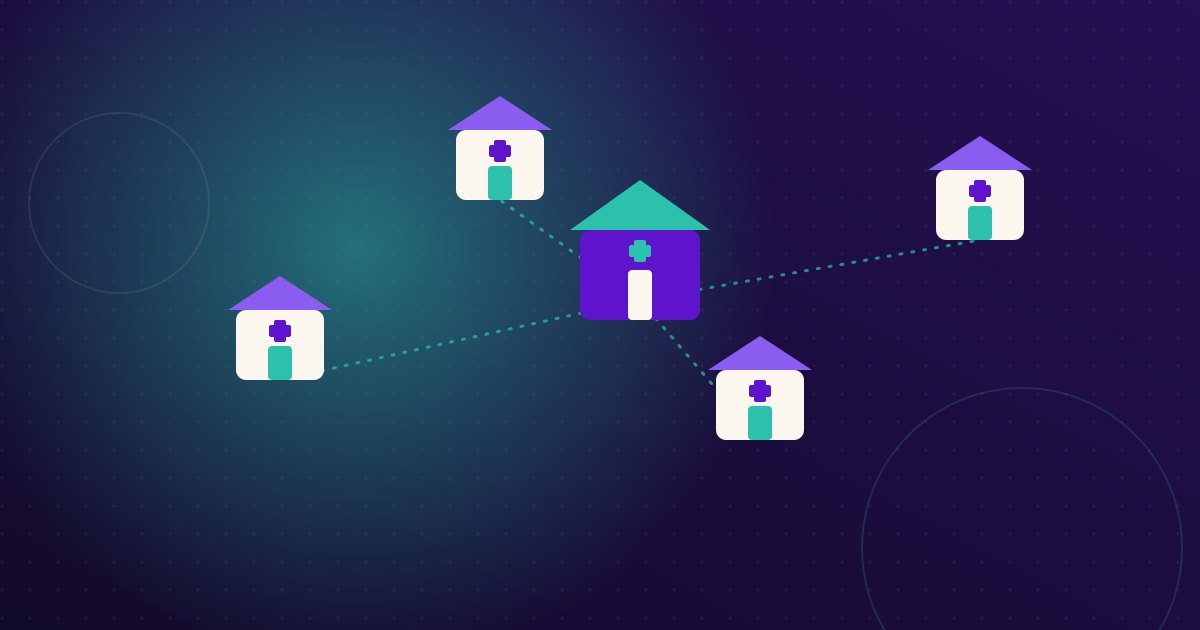
Add a second clinic site, and the information-sharing requirement changes fundamentally. The physician who splits their time between locations needs access to patient records at both sites. The practice manager who oversees both clinics needs to see appointment books, revenue figures, and staffing status across both. The marketing team running patient acquisition campaigns needs to attribute new patients to the right location and understand which campaigns are driving volume to which site.
If these needs are met by manual coordination—phone calls between locations, shared spreadsheets, paper records transferred in a folder when a patient travels between sites—the administrative overhead grows rapidly. At three or four locations, it becomes a full-time coordination function. At five or more, it becomes a constraint on further growth.
The Common Mistake: Technology After Expansion
The most common error clinic groups make during multi-site expansion is treating digital infrastructure as an operational upgrade to be addressed after the expansion is established. The reasoning is understandable: investment capital is allocated to the second location's physical setup, clinical equipment, and staffing. Technology comes later, when revenues are stable.
The problem is that the later technology implementation inherits a set of path dependencies created by the interim period. Patient records were maintained in different systems at the two locations. Billing processes diverged. Staff at each site developed different documentation practices. When the unified platform eventually arrives, the implementation requires not just setup but data migration, process harmonisation, and retraining—all of which are more expensive and disruptive when performed on a live multi-site operation than when implemented from the outset.
The clinics that avoid this problem do so by treating unified digital infrastructure as part of the second-branch investment, not a deferrable follow-on. The platform is live at the first location before the second opens; on day one of the new branch, it operates within the same digital environment as the original site.
What the Digital Foundation Needs to Include
For an Egyptian clinic group managing or planning multi-site operations, the digital foundation has several critical components:
Shared patient identity and record access. A patient who visited the Maadi branch and subsequently books an appointment at the New Cairo branch should not need to re-register. Their clinical history, prescriptions, and test results should be accessible to the treating physician regardless of which site they attend.
Unified appointment management. A single scheduling view across all sites allows the front-of-house team to book patients into the most appropriate location, see global physician availability, and manage cancellations and rescheduling without site-specific siloes.
Centralised patient communication. WhatsApp-based appointment reminders, follow-up messages, and patient education should come from a single patient communication platform that knows each patient's location, physician, and care pathway—not from individual phones at each clinic.
Consolidated financial and operational reporting. The clinic group's ownership and management need a single dashboard that shows revenue, appointment volume, conversion rates, and clinical activity across all sites, without requiring manual aggregation. This is both an operational necessity and an investor reporting requirement for clinic groups that have taken external capital.
Standardised clinical workflows. The second branch should follow the same clinical documentation standards, referral processes, and care pathway templates as the first. A unified platform enforces this consistency; independent systems allow drift.
The Competitive Dimension
Egyptian patients who attend multi-site clinic brands have an implicit expectation of consistency: the clinical standard, the booking experience, the communication style, and the digital touchpoints should feel like the same brand at every location. A clinic group where each branch operates independently—with its own systems, communication tools, and documentation practices—cannot deliver that consistency, regardless of how strong the clinical team at each site is.
Consistency is a competitive differentiator in a market where patient choice is expanding. The clinic groups building unified digital infrastructure from their second branch onward are building the foundation for a recognisable, consistent patient experience at scale—the kind that generates referrals and builds brand loyalty in a word-of-mouth-driven market.
CareSync Clinic: Infrastructure for Egyptian Multi-Site Clinic Groups
CareSync Clinic is designed for single and multi-site clinic groups building the digital foundation for sustainable expansion. The platform supports shared patient identity and record access, unified appointment management, centralised patient communication, and consolidated reporting—deployed under the clinic group's own brand identity.
For Egyptian clinic groups at the point of opening a second or subsequent location, CareSync Clinic provides a deployment model designed to go live at the first site before the expansion opens, ensuring day-one digital continuity across the network rather than a costly retrofit after the fact.
Expanding to a new site in Egypt? Build the right digital foundation first
Speak with CareSync Clinic's Egypt Expansion Team